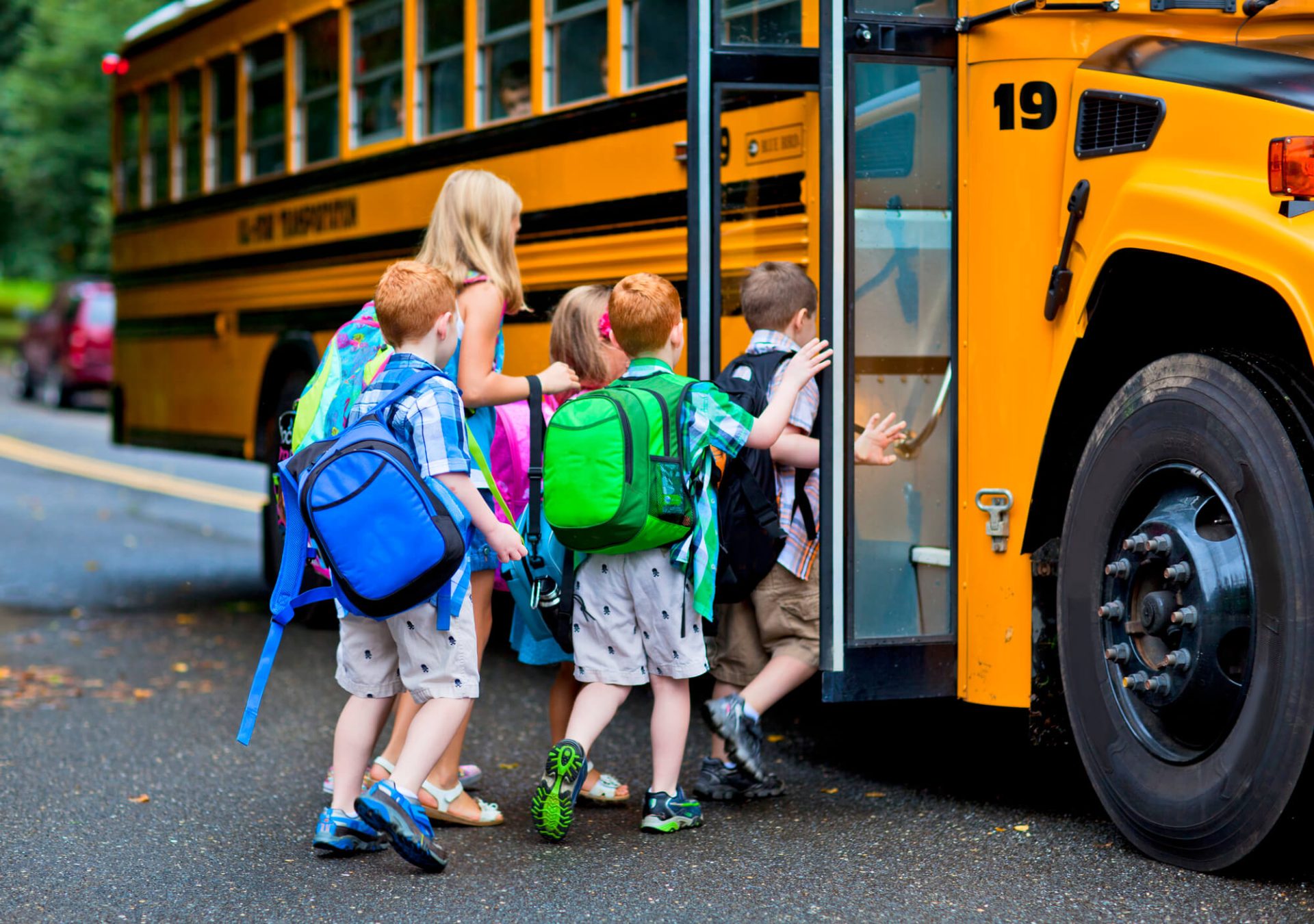

Moving to the United States with young children can be an exciting and challenging decision. One of the biggest concerns for parents is ensuring their children have access to a quality education. American schools are known for offering excellent educational opportunities, but understanding the school system and the available options is crucial to making the right choice. In this article, we will explore the main characteristics of schools in the United States and provide tips to help you find the best school for your children.
1. North American School System
The school system in the United States is divided into three main levels:
Elementary School: From kindergarten to 5th or 6th grade.
Middle School: From 6th or 7th grade to 8th grade.
High School: From 9th grade to 12th grade.
Kindergarten entry is typically at age 5, and secondary school graduates graduate at age 18.
2. Types of Schools
In the United States, there are several school options to choose from, each with its own characteristics and benefits.
Public Schools
Funding: These are funded by the government and are therefore free to area residents.
Location: Most children attend the public school closest to their home.
Curriculum: The curriculum is standardized by the school district, but can vary from state to state.
Charter Schools
Funding: These are funded by the government but operate independently of the traditional school system.
Flexibility: They have more flexibility regarding curriculum and management, and can implement innovative educational methods.
Private Schools
Funding: These are funded by tuition paid by parents and private donations. Curriculum: They offer a variety of curricula, including religious, Montessori, Waldorf, and IB (International Baccalaureate) programs.
Class Size: Class sizes are generally smaller, providing more personalized attention to students.
International Schools
Curriculum: They follow international curricula, such as the IB, and are a good option for expat families seeking a global education.
Diversity: They tend to have an international student and faculty body, promoting cultural diversity.
3. Criteria for Choosing a School
When choosing a school for your children, consider the following criteria:
Location
The school’s proximity to your home can significantly affect daily logistics. Public schools generally serve students who live in the designated area.
Ratings and Reviews
Research school ratings and reviews. Websites like GreatSchools.org offer insights into academic performance and the school environment.
Curriculum and Extracurricular Activities
Check the curriculum offered and the extracurricular activities available. Schools with a variety of programs can help your child’s overall development.
Infrastructure and Resources
Visit schools to evaluate the infrastructure and resources available, such as libraries, science labs, and sports facilities.
Class Size
Choose a school with a class size that you consider ideal for your child’s learning. Smaller classes can offer a more personalized learning experience.
4. Tips for Expat Parents
Involvement in the School Community
Actively participate in the school community. This helps you integrate better and support your child’s educational development.
Transition Preparation
Prepare your children for the transition to a new school system and culture. Talking about the changes and maintaining a positive attitude can help ease anxiety.
Academic and Emotional Support
Seek academic and emotional support for your children during the transition. Many schools have support programs to help international students adjust.
Choosing the right school is crucial to your children’s educational success and happiness when moving to the United States. Understanding the school system, exploring the different options, and carefully considering the selection criteria will help you make the best decision. At Visa Finder, we’re here to provide you with the information you need to support you through every step of your immigration process, including choosing the ideal school for your children. If you have any questions or need more information, please contact us. Good luck on your journey to a new life in the US!