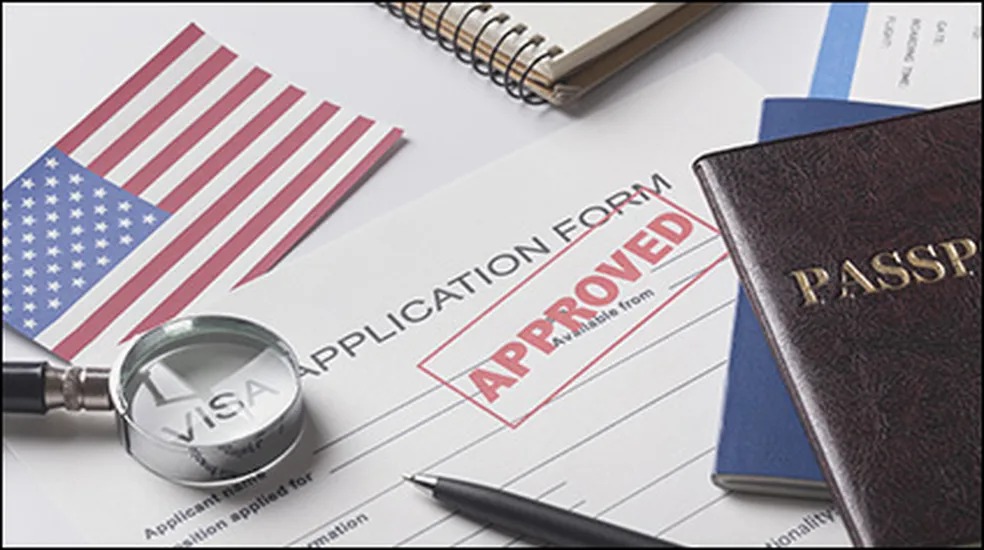

Applying for a visa to the United States is an important step—and one full of practical and emotional implications. From the moment you begin the process, many things change: your routine, your financial planning, your responsibilities, and even how you envision your future.
In this article, we’ll explain what actually changes when you begin your visa process—whether for tourism, work, study, or permanent residency. Understanding these changes helps you better prepare and avoid surprises down the road.
1. You officially enter the consular system’s radar
As soon as you complete the application form (DS-160 for non-immigrant visas, or forms I-140, I-130, etc., for immigrants), your data becomes part of the US government system.
This means that:
- Your history can be consulted in future applications
- It is essential to provide true and consistent information
- You will now have a process number that will be used in all subsequent steps.
This step officially marks the beginning of your relationship with American immigration.
2. Your documentation must be 100% in order
When starting the visa process, you need to gather documents that prove:
- Ties with the country of origin (in the case of temporary visas)
- Academic background and experience (in the case of professional visas)
- Financial proof, letters of recommendation, certificates, etc.
In other words, it’s time to get organized. Often, you’ll also need to obtain certified translations, gather additional evidence, and follow specific guidelines for each type of visa.
3. You enter a specific timeline
Each type of visa has different deadlines for:
- Document analysis
- Response from USCIS or consulate
- Interview scheduling
- Visa approval and issuance
Filing a request also means planning for the short and medium term, as changes in travel, work, or residence require consideration of the processing time.
4. You need to adjust your communication and behavior
Anyone with an ongoing process needs to be extra careful with:
- Public posts (on social networks, for example)
- International travel during the process
- Changes in status or employment, if you are applying for an employment-based visa
Everything you do can be taken into account when analyzing your profile. Therefore, it’s ideal to have professional guidance throughout the process.
5. Your mindset changes — and needs to change
Filing a visa application is a psychological milestone. It’s the moment when dreams begin to leave the realm of imagination and become reality. This requires:
- Discipline with deadlines and documents
- Financial organization
- Clarity in goals
- Openness to adaptations and learning
Many Visa Finder customers report that the process changes their outlook on life—and most of the time, that’s a very positive thing.
6. Your rights and duties expand
Depending on the type of visa, you may have:
- Right to remain lawfully during review (in certain adjustment of status cases)
- Obligation to maintain status (if on a student or temporary work visa)
- Legal limitations on changing activities (e.g., studying with a tourist visa is prohibited)
Therefore, each step must be well planned — and guided by someone familiar with American immigration law.
7. You are not alone anymore
Applying for a visa is also a great time to connect with people who can help you.
Immigration lawyers, consultants, translators, mentors, and former immigrants—they can all contribute to your journey.
And here at Visa Finder, we’ll guide you from the first form to your safe arrival in the US, with clarity, strategy, and empathy.
Applying for a visa isn’t just filling out a form—it’s starting a new phase of your life.
Everything changes: your routine, your responsibilities and, most importantly, your perspective on the future.
Therefore, it’s essential to start off on the right foot — with serious advice that understands each stage of the process and offers personalized solutions.
Want to get started safely? Contact Visa Finder.