If you’re immigrating to the United States, you’ve probably heard about the importance of credit in the country. Unlike many other places, in the US, your credit history is essential for renting a property, financing a car, applying for a credit card, and even getting better job opportunities.
But how do you start from scratch? In this guide, we’ll explain step-by-step how to build credit in the US safely and efficiently.
What is Credit in the US and Why is It Important?
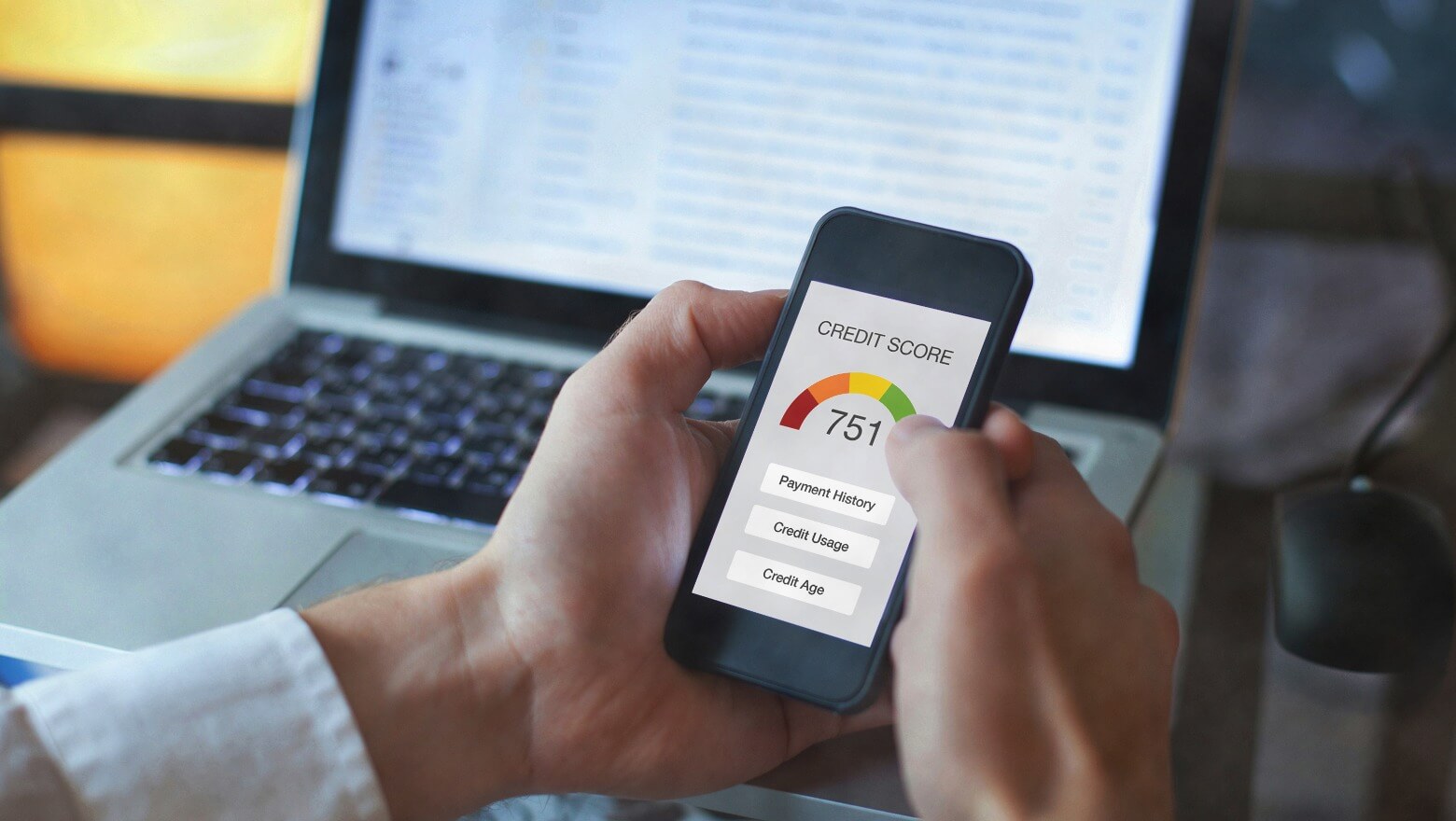
In the United States, credit is measured by a credit score (credit score), which ranges from 300 to 850 points. This number indicates your ability to pay bills and meet financial commitments. The higher your score, the easier it will be to get loans and financing with lower interest rates.
The factors that influence your credit score are:
✔ Payment history (whether you pay your bills on time)
✔ Credit utilization (how much of your credit limit you are using)
✔ Credit History Length (how long you’ve had open credit accounts)
✔ Credit Types (having different types of credit, such as credit cards and financing)
✔ Recent Inquiries (how many times you’ve applied for credit recently)
Step-by-Step Guide to Building Credit from Scratch
1. Open a US Bank Account
Having a US bank account is the first step to building your financial history. Banks like Bank of America, Chase, and Wells Fargo allow non-residents to open accounts, as long as you have a passport and proof of residency.
Having an active bank account will make it easier to pay bills and move money, factors that may be indirectly considered by some institutions when granting credit.
2. Apply for a Secured Credit Card
For those with no credit history in the U.S., the best place to start is with a Secured Credit Card. These cards require an initial security deposit, which will usually be the limit available for use.
Tips for choosing the right card:
- Find out if the issuer reports to the three major credit bureaus: Experian, Equifax, and TransUnion.
- Always pay your bill in full on time: This will show that you’re a good creditor. Payer.
- Avoid using more than 30% of your limit: Responsible credit use positively impacts your score.
Some good card options for those just starting out include:
✔ Discover It Secured Card
✔ Capital One Platinum Secured
✔ OpenSky Secured Visa
3. Become an Authorized User on a Credit Card
If you have a close friend or relative in the U.S., you can ask to be added as authorized user on that person’s credit card. This means that the payment history of that card will be reflected in your own credit history, helping to accelerate the building of your score.
But be careful: Make sure the cardholder has a good credit history and makes payments on time.
4. Pay Bills in Your Name
Some bills such as rent, electricity, internet, and Phone may be reported to credit bureaus. If possible, put these accounts in your name and pay them on time to help build a positive credit history.
5. Apply for a Traditional Credit Card After 6 Months
After using a secured credit card for a few months and maintaining good financial behavior, you can apply for an traditional credit card (Unsecured Credit Card), which doesn’t require an initial deposit and may offer more benefits.
Good cards for immigrants with a short credit history include:
✔ Capital One QuicksilverOne
✔ Chase Freedom Unlimited
✔ American Express Blue Cash Everyday
6. Avoid Common Mistakes When Building Credit
❌ Don’t make late payments – any late payment can hurt your score.
❌ Don’t apply for multiple credit cards at the same time – too many inquiries can temporarily lower your credit.
❌ Don’t use all of your available credit limit – try to keep your credit utilization below 30% of the limit.
How Long Does It Take to Build Credit in the US?
In six months, you may already have a credit score. However, to achieve a score above 700 (considered good), it can take one to two years of responsible credit use.
Building credit in the US from scratch requires patience and strategy, but by following these steps, you’ll be on your way to a strong financial history in the country.
If you need specialized support with the immigration and adjustment process in the US, Visa Finder is here to help!